RBKC Permit Rules for Kensington Removals and Parking
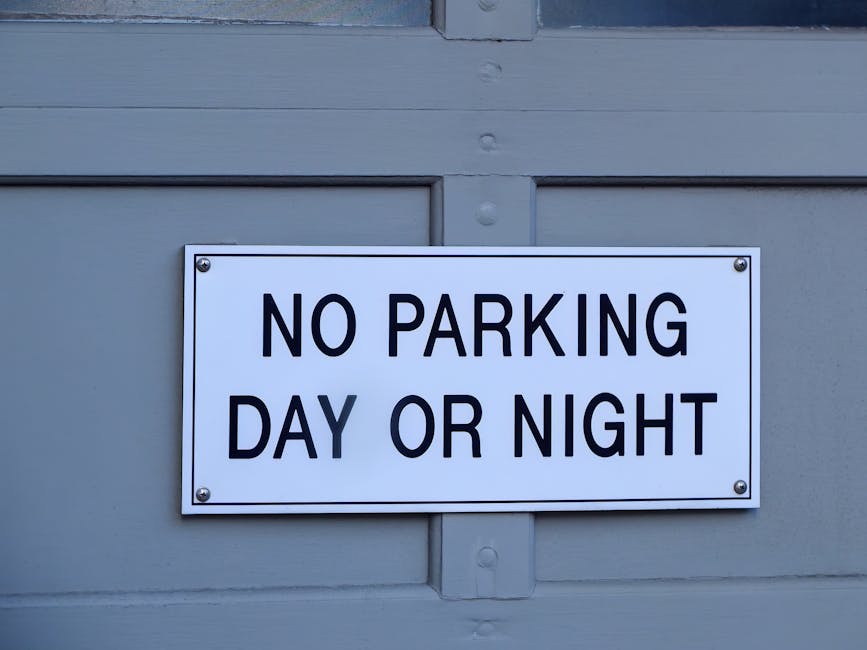
If you are moving in Kensington, parking can become the part that makes or breaks the day. Narrow streets, residents' bays, loading restrictions, busy school runs, and timed access windows all add up. That is why understanding RBKC Permit Rules for Kensington Removals and Parking matters before the first box is lifted. Get the parking side right and the move feels calmer, quicker, and far less stressful. Get it wrong and you can end up circling the block, losing time, or paying avoidable charges. Nobody wants that on moving day, least of all when the kettle is still in a box somewhere.
In this guide, we'll break down how RBKC parking permissions affect removals, what you should plan for, where the common pitfalls are, and how to keep your move practical and compliant. You'll also find a simple checklist, a comparison table, and a few real-world tips from the kind of situations people actually face in Kensington. Let's keep it clear and useful.
Why RBKC Permit Rules for Kensington Removals and Parking Matters
Kensington is one of those places where the road layout quietly dictates the whole removal plan. On paper, a move may look simple: van arrives, boxes go in, boxes come out. In reality, a parking issue can throw the day off in minutes. A truck blocked by traffic, a bay that is already occupied, or a restriction you didn't factor in can mean extra labour time, more waiting, and added stress for everyone involved.
RBKC permit rules matter because removal vehicles often need a lawful place to stop for loading and unloading. In many parts of Kensington, stopping casually is not an option. The streets are too busy, the demand for kerb space is high, and enforcement is something you cannot shrug off. Even a short misunderstanding about timing or location can snowball into delays. And if you have ever moved a wardrobe up three flights of stairs because a van could not get close enough, you will know why the parking plan deserves proper attention.
There is also a practical side that people sometimes underestimate: your permit strategy affects how safely the move happens. When a vehicle is parked legally and near enough to the entrance, the team is not carrying heavy items across unnecessary distances. That is better for the property, better for the furniture, and better for backs, wrists, and door frames. Truth be told, that last part matters more than people think.
If you are also weighing broader moving logistics, it can help to read about choosing experienced Kensington removal support and how local knowledge affects the move from start to finish.
How RBKC Permit Rules for Kensington Removals and Parking Works
At a practical level, the process is about making sure the removal vehicle can stop where it needs to stop, for the time it needs to stop, without causing a contravention. That sounds straightforward. Sometimes it is. Sometimes, not so much.
The first thing to understand is that Kensington streets can have different parking controls depending on the exact road, time of day, and day of the week. A normal residents' bay may not automatically be available for a removal van. Single yellow lines can have time restrictions. Suspended bays may appear unexpectedly. Shared-use bays may be fine at one hour and unavailable at another. So the rule is not "Kensington parking is hard"; it is "Kensington parking is highly specific". Big difference.
For removals, the key questions are usually:
- Can the van stop close enough to load safely?
- Does the stop need temporary permission or advance arrangement?
- Is there a loading bay, meter bay, or other designated space nearby?
- Will the road restrictions change during the move window?
- Is there room for a larger removal vehicle, or is a smaller van a better fit?
In many cases, the answer depends on the property type and street conditions. A basement flat on a tight residential road is a very different proposition from a ground-floor office with easier access. If you are moving out of a flat, you may want to think about the building's access path as well as the street outside; our guide to flat removals in Kensington covers some of those practical realities.
It is also worth remembering that parking permission and vehicle choice go together. A large lorry is not always the smartest move if the street is narrow or the loading window is brief. Sometimes a smaller vehicle, or a staggered loading plan, works better. That is why many people look at the right removal van for Kensington streets before they lock in the move date.
And yes, timing matters. Early morning might seem ideal because traffic is lighter. But if there are school-run patterns, refuse collections, or access restrictions, it may not be as simple as "earlier is better". The local context matters. A lot.
Key Benefits and Practical Advantages
When you handle parking properly, the benefit is not just "avoiding a fine". That is only the most obvious part. The real advantage is a smoother move overall.
- Less delay on moving day - the crew can get straight to the work instead of hunting for a legal stopping place.
- Safer handling - shorter carrying distances reduce the risk of damage to furniture, walls, and floors.
- Lower labour waste - less time spent waiting means the team is focused on the actual move.
- Better tenant or neighbour relations - no one enjoys a van blocking a road or occupying a space illegally.
- More predictable scheduling - your move runs closer to plan, which helps if you have key handovers or estate agent timings.
There is also a trust factor. If you are coordinating a home move, a landlord handover, or a business relocation, parking arrangements show that you have thought ahead. That can make everyone involved feel more confident, including the removal team. And confidence, frankly, calms a chaotic day.
If you are comparing services, you may also find it helpful to look at home removals in Kensington alongside the parking planning, because the best move plans are usually joined up rather than pieced together at the last minute.
Who This Is For and When It Makes Sense
RBKC permit rules are relevant to a much wider group than first-time movers. They matter whenever a vehicle needs to stop, load, unload, or wait in a controlled parking area in Kensington.
This is especially useful for:
- Homeowners moving out of terraced, mansion block, or converted properties
- Renters leaving flats with limited street access
- Landlords arranging end-of-tenancy clearance
- Students moving in or out of compact homes and shared flats
- Office managers relocating desks, files, and equipment
- Anyone needing a removal van for a same-day or short-notice move
It also makes sense when a property has awkward access. Maybe there is a narrow mews road. Maybe the front entrance opens onto a busy high street. Maybe the building committee only allows loading at certain hours. In those moments, parking is not a side issue; it is the move plan.
People sometimes assume parking rules matter only for large removals. Not true. Even a small van can create problems if it stops in the wrong place. A tiny move, wrong bay, and suddenly you are trying to explain yourself to an enforcement officer while someone holds a sofa upright. Awkward, to say the least.
For student moves and smaller jobs, it can help to review the specific service style in student removals in Kensington or man and van services in Kensington, because the vehicle size and timing approach can change the parking strategy quite a bit.
Step-by-Step Guidance
Here is the simplest way to think about the process. You do not need to become a parking specialist. You just need a clear sequence and a few sensible checks.
- Confirm your moving date and time window
Before looking at parking, lock in the move period as precisely as you can. RBKC rules can vary by time, so a "morning move" is less useful than a specific window. - Check the street conditions outside the property
Look at the road itself, not just the postcode. Is there a bay? Yellow lines? Busy foot traffic? Limited visibility? A five-minute walk on the street can save you hours later. - Assess vehicle access needs
Choose the right size vehicle for the property and the access route. In some streets, a smaller vehicle is better than a larger one that technically carries more but cannot stop comfortably. - Plan where loading will happen
Decide whether the van will use a designated bay, a legal stopping area, or a short-term loading arrangement if available. Do not assume there will be space on the day. - Coordinate with the building or property manager
If you are in a managed block or office building, ask about any loading instructions, lift booking rules, or access requirements. These details often matter more than people realise. - Build in a time buffer
Parking delays happen. Traffic happens. A lift can be slow. Leave some breathing room so the day does not feel like a race against the clock. - Confirm the removal team knows the plan
The best plans fail if the crew is not briefed. Make sure everyone knows the exact address, access points, and any parking limitations before arrival.
One small but useful habit: share a photo of the street if possible. A real image of the kerbside often tells you more than a description ever will. A loading bay hidden behind a van tree shadow? Happens all the time.
If the move is time-sensitive, you might also want to read about same-day removals in Kensington, because short-notice jobs leave very little room for parking guesswork.
Expert Tips for Better Results
In practice, the best Kensington moves are usually the ones where somebody has thought two steps ahead. Not ten. Just two. Enough to avoid the obvious traps.
- Plan around local traffic patterns - school starts, lunch periods, and commuter traffic can all affect access. A route that looks clear at 7:30 a.m. may feel completely different by mid-morning.
- Keep the load close to the entrance - when you can legally park nearer the door, you cut handling time and reduce risk.
- Use smaller vehicles where sensible - a smaller van can be far easier to manage in a tight Kensington street than a larger truck.
- Protect the property before loading begins - entry halls, lifts, and stair rails should be covered or checked so that a rushed carry does not create avoidable damage.
- Ask about complex items early - if you have a piano, antique cabinet, or oversized wardrobe, plan for it in advance rather than discovering the access issue on the day.
That last point is a big one. Heavy specialist items change the parking and access requirements because they are slower to move and more sensitive to tight corners. If your move includes something awkward, you will want to factor that into the street plan and the timing. Our dedicated piano removals Kensington page is useful if the move includes a valuable instrument.
Also, be realistic. Sometimes people want the perfect kerbside stop, the shortest route, the fastest load, and no disruption at all. Nice idea. Real life laughs a little. Build a workable plan instead.
Common Mistakes to Avoid
Most parking problems on removal day come from a few very common mistakes. The good news? They are easy to avoid once you know what they are.
- Assuming "it will be fine" - Kensington parking is not the place for optimism without a backup plan.
- Ignoring short-term restrictions - a bay that looks available in the morning may not be available at the exact time your van arrives.
- Choosing the wrong vehicle size - too large, and it may struggle to stop; too small, and you end up doing more trips than planned.
- Forgetting building rules - some flats and offices need lift bookings, padding requirements, or loading slot confirmations.
- Leaving parking planning until the last moment - by then, the good options are often gone.
- Not briefing the removal team properly - even a great plan can go sideways if the crew arrives without the details.
There is another subtle mistake: overfocusing on one side of the move. People sometimes sort out the property keys and completely forget the street outside. Or they obsess over the van and ignore the lift booking. A removal is a chain, not a single task. One weak link can slow everything.
If you are comparing quotes, it can help to check whether the parking and access assumptions are included clearly. This is one reason readers often find value in avoiding hidden fees in Kensington removals quotes, because unclear access planning can turn into avoidable costs later.
Tools, Resources and Recommendations
You do not need a whole toolkit for this, but a few practical items and habits will make life easier.
- Street photos - useful for showing the removal team exactly what the front of the property looks like.
- Floor plan or access notes - especially helpful for flats, upper floors, and office spaces.
- Inventory list - makes it easier to estimate how much time, handling, and vehicle space you actually need.
- Building access details - lift size, stair width, concierge hours, and loading rules matter.
- Clear contact numbers - for the person moving, the building manager, and anyone holding keys.
From a planning point of view, it is also smart to choose a removal service that understands the local area and the pace of Kensington roads. Local familiarity often means fewer surprises. If you are still comparing the kind of help you need, the pages on services overview and removal services in Kensington can help frame the options.
For business moves, the parking piece tends to be even more important because office equipment, crates, and furniture need tidy loading windows. If that sounds like you, have a look at office removals in Kensington for a better sense of how the logistics are usually handled.
Law, Compliance, Standards, or Best Practice
When parking is part of a removal, compliance matters. The exact requirements can vary depending on the street and the time, so it is sensible to treat the process carefully rather than casually. In UK moving practice, the aim is straightforward: park legally, avoid unnecessary obstruction, and reduce the chance of enforcement action or disruption to neighbours.
Best practice usually includes:
- Checking the road restriction signs before the move
- Planning within any loading or waiting limits
- Avoiding blocked driveways or access points
- Keeping footpaths clear where possible
- Using the right vehicle for the road environment
- Communicating any special access needs before arrival
There is also a duty of care angle. Moving teams should work safely around the property, the street, and the public. That means sensible lifting, careful parking, and proper handling of access equipment. If you are reviewing standards and insurance expectations, it is worth reading the site's insurance and safety guidance and the broader health and safety policy.
For customers, the practical takeaway is simple: if the street layout feels tight, treat parking as a key part of compliance, not an afterthought. It saves time and keeps the move much more controlled.
Options, Methods, or Comparison Table
There are a few common ways people handle Kensington removal parking. The right choice depends on the street, the property, and the size of the move.
| Approach | Best for | Pros | Watch-outs |
|---|---|---|---|
| Street-side loading near the property | Short carries, quicker moves, narrow time windows | Fast, direct, less handling distance | Only works if legal space is available |
| Smaller van with tighter access planning | Residential roads, flats, limited kerb space | Easier to position, often more flexible | May require more trips if the load is large |
| Staggered loading/unloading | Complex moves or building restrictions | Reduces pressure on one single time slot | Needs more coordination |
| Pre-arranged building access and loading slot | Managed blocks, offices, or controlled estates | Structured, predictable, tidy | Requires advance communication |
In many Kensington jobs, the best method is not the biggest or the most impressive. It is the one that fits the street. That's the real secret, if there is one.
If you are moving specific furniture items rather than a full house, a focused approach can also help. See furniture removals in Kensington if the move is about bulky pieces rather than an entire property.
Case Study or Real-World Example
Here is a typical Kensington scenario. A client is moving out of a first-floor flat on a busy residential road. The property has decent internal access, but the street outside is narrow and parking is tight. On a normal day, the road fills up quickly with residents, visitors, and delivery vehicles.
Instead of leaving the van arrangement until the morning of the move, the team checks the street conditions early, maps the likely stopping point, and keeps the vehicle size modest enough to handle the road comfortably. The client also shares photos of the entrance and mentions that there is a short walk from the bay to the front door. That small detail changes the loading plan, because the team can bring the right trolleys and protect the hallway more carefully.
On move day, the van arrives with a realistic buffer. There is no frantic parking hunt. Boxes are carried in a steady flow. The move is still busy - let's face it, removals are never silent or elegant - but it stays controlled. The client notices that the job feels calmer because nobody is improvising at the kerb.
That is the whole point of understanding RBKC permit rules in a real-world sense. Not bureaucracy for its own sake. Just smoother movement, fewer delays, and a much better chance of a tidy handover.
Practical Checklist
Use this checklist before moving day. It is simple, but it catches most of the avoidable issues.
- Confirm the exact move date and arrival window
- Check street parking restrictions for the address
- Ask whether a loading bay or short-stay stop is possible
- Confirm the vehicle size needed for the route
- Tell the removal team about any narrow entrance or stair access
- Check lift booking or building management requirements
- Share photos of the front of the property if possible
- List any bulky or specialist items separately
- Keep contact details for the key holder and building contact to hand
- Allow extra time for traffic, delays, and parking changes
Quick summary: if the van can stop safely and legally close to the property, everything else becomes easier. The move still needs energy and coordination, of course, but the parking stress drops fast. That alone can change the tone of the whole day.
If your move is happening alongside a property handover, it can also help to understand the wider timing pressures around property transactions in Kensington, because removals and completion schedules often end up intertwined.
Get a free quote today and see how much you can save.
Conclusion
RBKC Permit Rules for Kensington Removals and Parking are not something to leave until the van is already on the street. In Kensington, parking is part of the move itself. Once you treat it that way, everything becomes more manageable: the load is quicker, the access is safer, and the whole day feels less exposed to last-minute surprises.
The best approach is usually simple: understand the street, choose the right vehicle, communicate clearly, and leave a bit of breathing room. That is what keeps a busy London move from turning into a scramble. And if you are moving within or into the area, a little local planning goes a long way. Honestly, it can be the difference between a polished move and a slightly chaotic one.
For more local context, it can help to read about the neighbourhood itself in Kensington as a London suburb or explore local insights on living in Kensington. A move is never only about boxes. It is about settling into a place well.
Frequently Asked Questions
Do I need special permission for a removal van in Kensington?
In many situations, yes, or at least some form of parking planning is needed. The exact arrangement depends on the street, time, and available restrictions. It is best not to assume that a normal parking bay will be enough for a removal vehicle.
Can a removal van stop in a residents' bay in RBKC?
Not automatically. Residents' bays are controlled spaces, and whether a van can use them depends on the local restrictions at that time. Always check the specific road conditions rather than relying on general assumptions.
What happens if the van cannot park near the property?
The move may take longer because items need to be carried further from the vehicle. That can increase labour time and makes the process more tiring. In tight streets, choosing a smaller van or different time slot can help.
How far in advance should I think about parking for a Kensington move?
The earlier the better. Even a few days of planning can help, especially if the property has complex access or the road is busy. For more complicated moves, it is sensible to think about it as soon as the move date is set.
Is parking more difficult for flats than houses?
Often, yes. Flats can involve stair access, shared entrances, lift bookings, and tighter frontage space. House moves can still be tricky, but managed blocks usually introduce extra logistics.
Do office removals need the same parking planning?
They often need more, not less. Office moves may involve larger volumes, sensitive equipment, and stricter building rules. Good parking planning helps the move stay organised and reduces disruption to staff or neighbours.
What is the safest vehicle choice for narrow Kensington streets?
It depends on the address, but smaller or medium-sized vehicles are often easier to position in tight streets. The best choice is the one that balances access, load size, and legal parking conditions.
Can I handle the parking plan myself?
Yes, many people do. But if the street is busy or the access is awkward, it helps to work with a team that knows Kensington well. A local, practical view can save a lot of hassle.
How do I avoid delays on moving day?
Confirm the parking plan, share access details early, choose the right vehicle, and allow buffer time. Those four steps solve a surprising number of problems. Simple, but effective.
Are same-day moves harder to manage in Kensington?
They can be, because there is less time to arrange parking and access details. If the move is urgent, make sure the van size, route, and stopping plan are agreed as early as possible.
Does insurance matter if parking or access goes wrong?
Yes, because moving always involves risk around vehicles, property edges, and heavy items. Proper insurance and safe handling practices are part of a sensible removal plan, especially in tight urban streets.
Where can I find more help with local Kensington moving services?
You can explore the broader local service information on movers in Kensington and compare that with the type of move you are planning. The key is matching the service to the street, not the other way around.