Commercial Moves in Kensington
Reliable office and business relocation support in Kensington

Commercial Moves in Kensington require more than a van and a few extra hands. Local businesses need a move that is planned carefully, carried out efficiently, and managed with minimal disruption to staff, clients, and day-to-day operations. Whether you are relocating a small office near High Street Kensington, moving a consultancy space closer to South Kensington, or shifting a retail unit, the right team can make all the difference.
Kensington has a distinctive mix of commercial premises: elegant period buildings, converted townhouses, shared workspaces, boutique shops, medical practices, professional offices, galleries, and hospitality venues. Each property type brings different access issues, loading restrictions, lift use, staircases, and timing considerations. That is why a local approach matters. A team familiar with commercial removals in Kensington can plan around narrow streets, busy traffic flows, controlled parking zones, and the practical realities of working in a densely populated central London area.
If you are preparing for a business move in Kensington, the aim is usually straightforward: keep downtime low, protect equipment and stock, and get everyone settled quickly. Commercial moving services in Kensington are designed around those priorities, helping local organisations move with confidence. From early planning to final placement of desks, furniture, and files, the service should feel organised, responsive, and tailored to your premises.
Why local commercial removals matter in Kensington
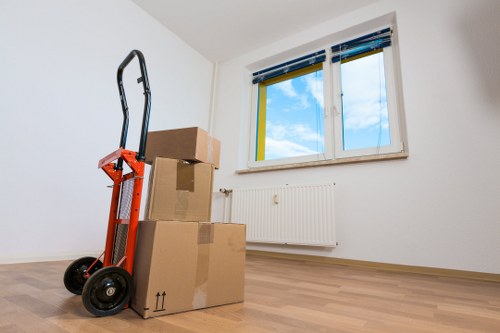
Moving a business is rarely just about transporting items from one address to another. It often involves coordination with building management, reception teams, IT support, facilities staff, landlords, and sometimes neighbouring tenants. In Kensington, where many buildings sit close together and access can be tight, a local commercial removals team can help reduce the pressure on everyone involved.
Many commercial properties in the area are located on roads where parking is limited or loading bays are time-restricted. Some offices are in converted terraces with upper-floor access only, while others are inside mixed-use buildings where shared entrances need careful scheduling. A team that regularly handles office removals in Kensington will understand how to plan for these conditions, helping your move proceed in a steady and orderly way.
Local knowledge also helps when timing is important. Some businesses prefer early-morning starts, evening moves, or weekend relocations to avoid disrupting clients and staff. A well-organised move is often the one that goes unnoticed by your customers. For businesses that rely on appointments, trading hours, or sensitive equipment, the ability to work around your schedule is a major advantage.
What commercial moving services can include

Every business move is different, so the service should be flexible. A typical commercial removals package in Kensington may include planning, packing support, furniture disassembly, transport, unloading, and placement at the new site. Some moves also require specialist handling for archive materials, IT equipment, art, retail stock, display units, or medical furniture.
Depending on your needs, the move may cover:
- Office desks, chairs, filing cabinets, and meeting room furniture
- Computers, monitors, printers, and other IT equipment
- Retail stock, shelving, mannequins, and display fixtures
- Archive boxes, confidential files, and document storage
- Reception furniture, signage, and customer-facing items
- Light commercial equipment and business supplies
- Internal office reconfigurations within the same building
Some businesses only need a partial move, such as relocating a department or opening a second workspace. Others may need a full business relocation from one Kensington office to another nearby district, or between Kensington and surrounding areas such as Knightsbridge, Chelsea, Earl’s Court, Paddington, Notting Hill, Hammersmith, West Brompton, and South Kensington. The right team should be able to adapt to both small and larger-scale commercial moving requirements.
How the moving process works

A structured process helps reduce delays and keeps your team informed. For commercial moves in Kensington, the best results usually come from clear planning before moving day, regular communication, and a practical on-site approach. While every project is different, the process often follows a similar pattern.
Typical stages of a commercial move:
- Initial enquiry and assessment: You explain what needs to be moved, the size of the premises, and your preferred dates.
- Planning and scheduling: The move is organised around your business hours, building access, and any parking or loading requirements.
- Preparation: Items are labelled, boxed, dismantled where needed, and grouped by department or destination area.
- Moving day transport: Furniture, equipment, and stock are loaded carefully and moved using suitable vehicles and handling equipment.
- Delivery and placement: Everything is unloaded, positioned, and reassembled if required.
- Final checks: The space is reviewed to make sure key items are in the correct place and the premises are left orderly.
For many local customers, the most helpful part is not just the physical lifting but the coordination. A business move in Kensington often involves several moving parts, and having one team handle the logistics can make the entire experience smoother. Contact us today to discuss your move and request a free quote.
Types of commercial customers in Kensington

Kensington supports a wide range of commercial activity, which means commercial removals here need to suit many different sectors. From public-facing businesses to private offices, the needs can vary significantly. A good moving service should understand the demands of each environment and work in a way that respects both the premises and the people using them.
Common commercial customers include:
- Professional offices: Legal firms, accountancy practices, design studios, and consultancies
- Retail businesses: Boutiques, showrooms, specialty shops, and pop-up retail spaces
- Healthcare and wellness practices: Clinics, therapy rooms, and treatment spaces
- Hospitality venues: Cafés, restaurants, and small event spaces
- Education and training providers: Tuition rooms, learning centres, and administrative offices
- Creative organisations: Galleries, studios, and production offices
- Co-working and shared spaces: Businesses moving within flexible office environments
Each of these sectors has its own priorities. A retail move may need stock organised by display area. A professional office may require confidential paperwork to be separated. A clinic may need equipment handled carefully and scheduled outside of patient hours. A local commercial moving company in Kensington should be able to manage these variations without unnecessary disruption.
Preparation checklist for a smoother business move
Good preparation can save time, reduce confusion, and help your move stay on schedule. Before moving day, it helps to create a clear plan for what is being moved, who is responsible for each part of the process, and how the new space will be arranged. Even small preparation steps can make a big difference.
Useful preparation steps include:
- Assigning one point of contact for the move
- Creating an inventory of items to be moved
- Labeling boxes by department, floor, or room
- Backing up important digital files before any IT equipment is disconnected
- Separating items that should be moved first, last, or not at all
- Checking lift availability, loading arrangements, and access permissions
- Notifying staff, suppliers, and clients where necessary
- Clearing walkways and ensuring fragile items are packed safely
If your premises are in a busy part of Kensington, it is also worth considering how deliveries and collections work on the day. Some buildings require advance booking for loading access. Others may need temporary parking arrangements or timed arrivals. Planning these practical details in advance can help avoid stress later. A move that starts with clear preparation is far easier to complete efficiently.
Special considerations for Kensington properties
Kensington is known for its elegant streets and varied building styles, but those same features can make commercial moving more complex. Period properties often have stairs, narrow entrances, and tighter turning spaces. Modern office buildings may have lift restrictions, security requirements, and strict moving windows. Mixed-use buildings can involve shared access areas that need careful coordination. This is why commercial removals in Kensington are best handled by a team that understands the area’s practical constraints.
Parking is another common challenge. In central and west London locations, suitable loading space may be limited or require advance arrangement. The right moving team will factor this into the plan rather than treating it as an afterthought. They should also consider traffic conditions, the size of the vehicle needed, and the safest way to move bulky items without damaging walls, floors, or door frames.
For businesses in nearby areas such as Bayswater, Earl’s Court, South Kensington, and Chelsea, the same issues often apply. Busy roads, restricted access points, and shared building facilities can all affect how a move is scheduled. Choosing a local team means you are more likely to get realistic advice based on the actual conditions your property presents, not just a standard moving checklist.
Office moves in Kensington
Office relocations often involve more than furniture. Desks, IT systems, meeting room equipment, storage units, archive boxes, and staff belongings all need to be managed in a way that keeps the business functioning. A professional office move in Kensington should aim to minimise downtime by keeping items grouped logically and delivered in a sensible order.
For many office customers, it is useful to move in stages. This might mean transporting one department at a time or moving non-essential furniture first, followed by key equipment and workstations. A staged approach can be especially helpful if the business needs to remain operational during the transition. Careful sequencing can make a large move feel far more manageable.
Some offices also need support with dismantling and reassembly. Modular desks, shelving, and conference tables often need to be taken apart to move safely through smaller access points. Once at the new site, they can be rebuilt and positioned according to your floor plan. This is particularly useful in Kensington offices where stairwells and entrances may not allow large items to pass through easily.
Retail and hospitality relocations
Retail and hospitality businesses need a move that protects presentation, stock condition, and reopening timelines. Whether you are relocating a boutique, a showroom, a café, or a small restaurant, timing and handling are crucial. Stock may need to be packed by category, fixtures protected against damage, and customer-facing areas restored quickly at the new location.
For shops and showrooms, commercial movers often handle shelving, display units, mirrors, tables, counters, and packaged stock. For cafés or restaurants, there may be chairs, tables, service equipment, shelving, and light commercial items to transport. These businesses usually benefit from an organised move plan that reduces the time between closing the old site and opening the new one. Keeping your downtime short helps protect trade and customer confidence.
Kensington’s mix of footfall, residents, visitors, and destination businesses means presentation matters. The ability to move cleanly, quietly, and efficiently is often just as important as the transport itself. A local team that respects your trading environment can help make the transition feel controlled from start to finish.
What to expect on moving day
On the day of the move, the team should arrive with a clear understanding of what needs to be done and how access will work. Good preparation means fewer delays and less back-and-forth. Items should be handled carefully, routes should be kept clear, and the loading process should be organised around the layout of your premises.
You should expect a professional approach to heavy lifting, safe movement through common areas, and careful loading to protect items in transit. If required, the team may also help with furniture placement and practical arrangement at the new site. For larger offices, it can be useful to have labelled zones or a simple floor plan ready so each item ends up in the correct location.
Businesses often appreciate a team that can remain calm under pressure. Moving day can be busy, but a methodical approach helps keep things under control. Book your service now if you want a practical, organised move that respects your schedule.
How to reduce downtime for your team
Downtime is one of the biggest concerns for commercial customers. The less time staff spend waiting for furniture or equipment, the sooner work can resume. You can help reduce disruption by packing in advance, separating essential items, and making sure the destination space is ready before the move begins.
Some businesses choose to move outside normal hours, while others prefer to relocate over a weekend or in phases. If your operation depends on client appointments or daily trading, an out-of-hours move may be worth considering. It can be especially useful in Kensington, where access conditions during the working day can be more challenging.
Good communication also plays a role. When everyone knows what is happening and when, there is less confusion and fewer interruptions. Clear labels, defined responsibilities, and a sensible moving order all help the day run more smoothly.
Pricing factors for commercial moves in Kensington
It is natural to want a clear idea of cost before booking a move, but commercial removals are usually priced according to several practical factors. Rather than relying on a fixed assumption, it is better to request a tailored quote based on your exact requirements. This helps ensure the service reflects the complexity of your move and the level of support you need.
Factors that can affect the price include:
- Size of the premises and amount of furniture or stock
- Distance between the old and new locations
- Access difficulties, stairs, lifts, or limited parking
- Need for dismantling, reassembly, or specialist handling
- Number of team members required
- Timing of the move, including evenings or weekends
- Whether packing materials or additional preparation support are needed
- Any need for phased moves or multiple drop-off points
For example, moving a small office suite within Kensington may be straightforward, while transferring a larger business with archive storage, IT infrastructure, and multiple departments can require more planning and labour. The most useful quote is one that reflects your actual circumstances, not a generic estimate. Request a free quote to get a move plan that fits your business properly.
Why choose a local company for commercial moves in Kensington
Choosing a local team is often about more than convenience. A company familiar with Kensington can understand how the area works in practice, from access routes to parking challenges and the pace of the local business environment. That familiarity can translate into better planning and fewer surprises on the day.
Local advantages can include:
- Better understanding of building access and street conditions
- More realistic timing for busy roads and loading restrictions
- Useful experience with period buildings and mixed-use properties
- Faster response to short-notice or time-sensitive moves
- More practical planning for nearby business districts and cross-London routes
- A service approach that feels more personal and responsive
Commercial customers often want reassurance that their move will be handled by people who know what they are doing. A local removals company can bring that confidence, especially when dealing with the challenges that come with central London commercial premises. For many businesses, this is the difference between a stressful relocation and a well-managed transition.
Areas covered around Kensington
Commercial moving support in Kensington often extends across nearby parts of west and central London. Businesses may be relocating within the borough or moving to surrounding commercial areas with similar access considerations. The most useful service is one that can work both locally and across the nearby districts you are likely to trade with or move between.
Common nearby areas include:
- South Kensington
- High Street Kensington
- Bayswater
- Notting Hill
- Chelsea
- Knightsbridge
- Earl’s Court
- Holland Park
- Paddington
- West Brompton
- Hammersmith
If your business is moving between any of these locations, it helps to work with a company that understands the local road network and can plan appropriately for access conditions. Even a short distance can involve complex logistics in this part of London, especially when loading, unloading, or coordinating access with a building manager.
Frequently asked questions
Below are some of the questions local customers often ask when arranging commercial removals in Kensington. These can help you decide what to prepare and what to expect before you book.
How far in advance should I book a commercial move?
It is best to enquire as early as possible, especially if your move needs to happen at a specific time or outside normal working hours. Larger office relocations, phased moves, and jobs requiring special access arrangements usually benefit from more notice. However, if your situation is urgent, it is still worth asking whether a suitable slot is available.
Can a move be done outside business hours?
Yes, many commercial customers prefer early-morning, evening, or weekend moves to reduce disruption. This can be especially practical in Kensington where daytime access and parking can be more difficult. Availability will depend on the project and the team you choose.
What should I do with confidential files?
Confidential paperwork should be packed securely and clearly separated from general office items. It is wise to assign responsibility for sensitive materials and keep an inventory where needed. If your business handles private records, the moving process should respect that and keep access controlled.
Can furniture be dismantled and rebuilt?
In many cases, yes. Office desks, shelving, and meeting tables often need to be dismantled to move safely through tight access points. Reassembly at the destination can help your new workspace become operational faster and more neatly.
How do I prepare IT equipment for the move?
Before the move, make sure data is backed up and devices are disconnected properly. Label cables, accessories, and monitors so that they can be reconnected more easily at the new premises. If you have an internal IT team or external support, it helps to coordinate the timing so equipment is ready when needed.
Do you handle small commercial moves as well as full relocations?
Yes. Many businesses only need help with a few rooms, a single department, or a smaller office relocation. A professional commercial removals service in Kensington should be able to adapt to both compact and larger projects.
Practical benefits for local businesses
When a business move is handled properly, the benefits extend beyond the moving day itself. Staff can settle into the new space more quickly, operations can resume sooner, and important equipment arrives in a usable condition. This makes a real difference for local organisations that rely on continuity and professionalism.
Some of the most valuable benefits include:
- Reduced stress for staff and management
- Better protection for equipment, furniture, and stock
- Less disruption to trading and appointments
- More efficient use of time during the move
- A smoother transition into the new premises
- Support from a team familiar with Kensington’s business environment
For many local customers, a commercial move is also a chance to refresh the workplace. A new layout, improved storage, or better use of space can support the next stage of your business. The moving process should help that happen rather than create extra obstacles.
Ready to arrange your commercial move?
If you are planning a business relocation, office move, or premises transition, now is the right time to take the next step. A carefully managed move can save time, protect your assets, and help your team settle in without unnecessary disruption. Contact us today to discuss your requirements, request a free quote, or book your service now.
Whether you are moving within Kensington or between nearby areas such as South Kensington, Chelsea, Bayswater, or Earl’s Court, a local team can help make the process smoother and more practical. From the first plan to the final placement of furniture and equipment, the right support can make a demanding task feel far more manageable.
Commercial Moves in Kensington should be handled with care, local insight, and a clear focus on your business needs. When you are ready, reach out to arrange the next step and move forward with confidence.